Introduction
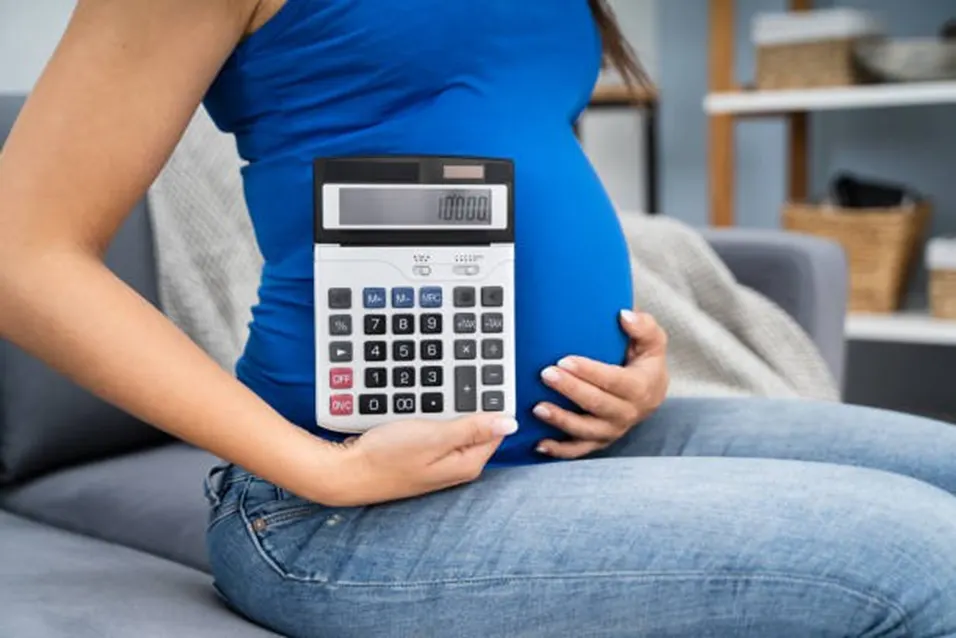
A Pregnancy Conception Calculator is a handy device that can help you determine the estimated date on which you may have conceived. The calculator uses information like the first day of your last menstrual period (LMP), the average length of your menstrual cycle, or the estimated due date to figure out the most likely date of conception and the date of your fertile window. Knowing your estimated conception date can aid you in comprehending your pregnancy timeline, monitoring fetal growth, and connecting your pregnancy history with your healthcare provider.
The calculator gives a good approximation, but it should be noted that conception typically takes place around the time of ovulation, and the exact timing may vary depending on each woman's cycle.
What is a Pregnancy Conception Calculator?
A Pregnancy Conception Calculator can help you figure out the most probable date of conception, using information from your menstrual cycle or the date of pregnancy. Fertilization takes place when a sperm meets an egg, usually at the time of ovulation, to form a baby. The calculator can be used to approximate:
● Most likely conception date
● Fertile window
● Ovulation date
● Pregnancy timeline
Many individuals aren't able to determine the exact date of conception, so the calculator uses known biological patterns and the information provided about the individual's pregnancy to make an estimation.

How to Use the Pregnancy Conception Calculator
Start with the estimated conception date; cycle length can refine the timing estimate:
● Write the date of your last period (LMP).
● Enter your average menstrual cycle length, if known.
● Or, if you have an estimated due date, enter that in.
● Press the Calculate button.
● Check the estimated conception date, ovulation date, and fertile window.
● Estimating the conception date.
Ovulation typically happens approximately 14 days after the first day of the previous period (LMP) in a normal 28-day period. The approximate date of conception is approximately the same as the approximate date of ovulation, since conception usually takes place within 24 hours of ovulation.
Understanding the Fertile Window
The fertile window is the period of time in a woman's menstrual cycle when pregnancy is most likely to occur. These days refer to the period from the start of these days to the day of ovulation. Sperm may live as long as 5 days in the female reproductive tract, and the egg may live for up to 12-24 hours after it is released from the ovary. This means that the period of fertility is normally approximately 6 days.
| Cycle Event Typical | Timing in a 28-Day Cycle |
|---|---|
| First day of LMP | Day 1 |
| Fertile window begins | Day 9 |
| Estimated ovulation | Day 14 |
| Fertile window ends | Day 15 |
Factors that may Influence Estimation of Conception Dates
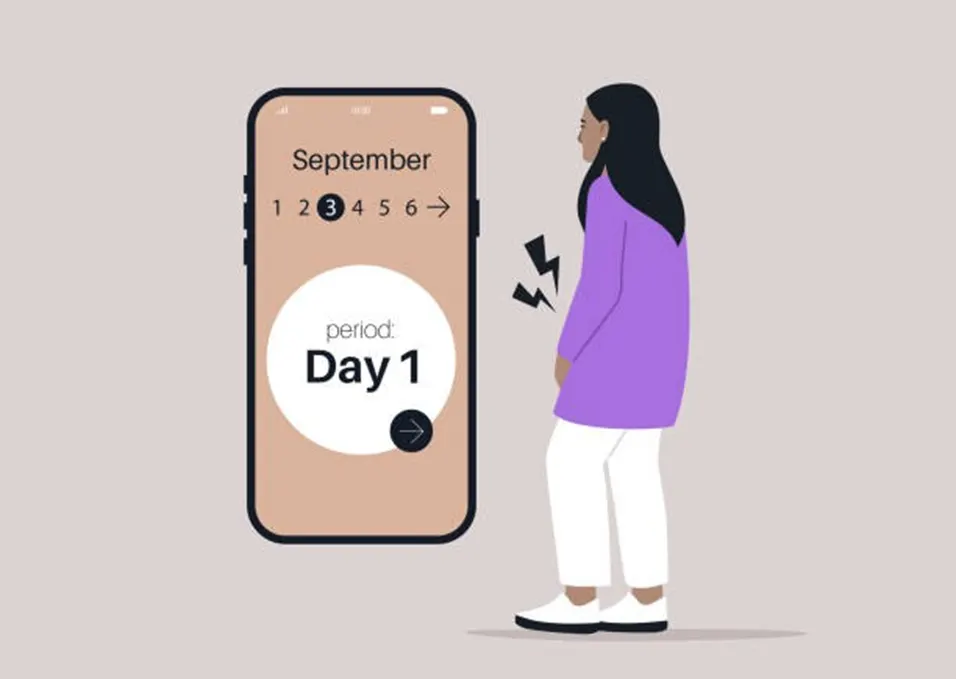
Many factors can affect the estimated date of conception: Menstrual cycle length; ovulation can be earlier or later depending on the length of the cycle.
Irregular periods:
When the periods are irregular, they may not be as easy to predict when you're ovulating.
Ovulation timing:
Ovulation occurs 14 days after the last period does not always occur at this time.
Timing of fertilization:
Sperm could fertilize the egg within 24 hours following ovulation.
Time of implantation:
The fertilized egg implants in the uterus around 6-10 days after conception. Due Date and Conception Date are used interchangeably. The conception date and estimated due date do not agree and are two points in the pregnancy journey.
Date Type
● Meaning
● Conception date
● The approximate time of fertilization.
Due date
The approximate time of delivery, typically 40 weeks after LMP.
Gestational age
The length of the pregnancy measured from the first day of the LMP.
Benefits of Pregnancy Conception Calculator
Understanding the conception date can be useful in certain instances. There are times when knowing the conception date can be beneficial.
● Estimating the conception date can provide useful information for:
● Knowing the history of your pregnancy.
● Tracking fetal development.
● Planning future pregnancies.
● Talk with a health care professional about pregnancy history.
● Adding context when making pregnancy milestones comparisons.
Conception Date Estimates have some limitations.
A Pregnancy Conception Calculator is an estimation and not a doctor-confirmed pregnancy date. The exact date of conception can sometimes be hard to determine because there may be some variation in ovulation from one period to another. Sperm will live for a few days if it is not used for fertilization. Implantation occurs 5-6 days after conception. The way women experience their periods can vary. Healthcare providers can use ultrasound measures, particularly at the beginning of pregnancy, for more accurate dating of pregnancy.
Frequently Asked Questions
Is it possible to get the accurate date of conception from a Pregnancy Conception Calculator?
The calculator is a rough approximation of menstruation cycle and pregnancy dates. The exact date of conception will not be known with certainty.
How is the conception date related to ovulation?
Fertilization takes place normally within the first 24 hours after ovulation, when an egg may be available for fertilization.
If my periods are irregular, why?
If the cycles are irregular, the estimated date of conception may not be as accurate as it would be for those that are regular, due to a more difficult time in determining the exact ovulation time.
Is it possible for the calculator to take my due date, rather than my LMP?
If you have your estimated due date, you can use the calculator to reverse calculate the approximate conception date.
Conclusion
The dates are estimates because ovulation and cycle length vary; use the result as a timeline aid, not medical dating. A clinician can help confirm pregnancy dates and care.