Knowing how many calories you need per day is one of the most crucial steps towards enjoying and keeping good health. Calories provide the energy your body needs for essential functions like breathing, circulation, digestion, and physical activity. Understanding your daily calorie requirements can enable you to make better choices in nutrition and exercise, whether you're trying to lose weight, gain weight, build muscle, or stay on track and manage your weight.
Our Calorie Calculator works out how many calories you should consume each day for your conditions, calculated from your age, weight, height, sex, and activity. These personal details are then used to give an estimate of how many calories your body will burn in a typical day, known as your Total Daily Energy Expenditure (TDEE).
How to Use the Calorie Calculator
Your daily estimate combines body measurements with activity level. Enter:
● Select your gender.
● Enter your age.
● Input your weight.
● Enter your height.
● Select an activity type.
● Press the Calculate button.
● Check your daily calorie goal.
The number of calories you need daily is a good approximation. Based on that, you can either eat more or fewer calories based on your weight loss, weight gain, or maintenance goal.
Factors That Affect Calorie Needs
There are a number of factors that impact the number of calories you need daily. If you know what these are, you can better guess how much energy you need each day and what kind of diet and activity you should have in order to get the most out of the food.
Age
The number of calories required varies among ages. People's metabolism slows down, and muscle mass can diminish as they age. These changes may decrease the amount of calories a person's body needs per day.
Gender
Women also have different calorie needs than men. Men tend to need more calories than women, in part due to their higher lean muscle mass and differences in body composition.
Body Weight
Another important consideration is body weight. People who weigh more generally have a greater calorie need because they have more energy to sustain daily activities.
Height
Calorie needs can also vary depending on height. The taller people are, the more energy they need to expend due to their body's larger tissue mass and surface area to support.
Activity Level
Daily activity level is a major factor in expending calories. Those who exercise regularly, or have jobs which are physically demanding, expend more calories than those who don't.
What is the Total Daily Energy Expenditure (TDEE)?
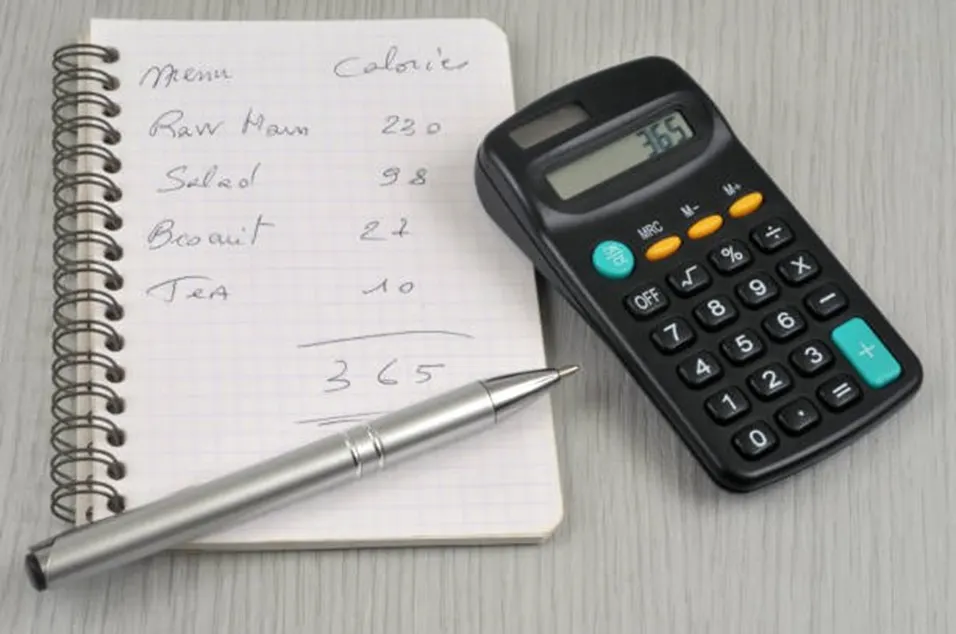
Your Total Daily Energy Expenditure (TDEE) is the total amount of calories you burn in a day. It includes:
Basal Metabolic Rate (BMR):
Calories expended by the body at rest for basic bodily functions.
Physical activity:
Calories spent from exercises and activity.
Thermic effect of food:
Calories expended during digestion and metabolism of food. However, since TDEE takes into account your lifestyle and activity level, it is a more complete estimate of your daily calorie requirements than BMR alone.
This Guide will help you understand how to use your calorie count results.
After you have determined the number of calories you should be consuming each day, you will be able to modify the amount of calories that you are consuming based upon your health and fitness goals.
For Weight Maintenance
If you're looking to maintain your current weight, try to eat around your estimated TDEE (calories in vs. calories out).
For Weight Loss
Make sure you're under the amount of calories you need to maintain your body weight, otherwise known as your TDEE, to lose weight. There are a few rules for weight loss: A moderate lack of 300–500 calories a day is normally advised for slow and steady weight reduction.
For Weight Gain
If you are looking to gain weight or build muscle mass, increase your calorie intake above your TDEE. A modest surplus of about 200–500 calories per day can support gradual gain; track your trend over time and adjust the estimate to your response.
Approximately how many calories you burn each Day
● Works with weight loss, weight gain, or maintenance.
● Assists in developing a complete food plan.
● Increases awareness of energy in and out.
● Helps make realistic fitness goals.
● Provides an easy meal planning guideline.
Tips to manage Calorie Intake
Eat foods that are rich in nutrients like fruits, vegetables, lean proteins, whole grains, and healthy fats. Keep an eye on serving sizes, and don't overeat calories. Maintain a healthy energy balance by staying physically active. Make sure to drink plenty of water around the clock. Monitor progress and make adjustments to calories as necessary. Don't do excessive calorie cuts unless directed by a health care provider.
Frequently Asked Questions
Is the Calorie Calculator accurate?
The calculator uses generally accepted equations and activity multipliers to make an estimate. Calorie requirements are individual and can vary depending upon factors such as body composition, health, and genetics.
Is this a weight loss calculator?
The calculator can be used to estimate the amount of calories needed for maintenance, which can then be reduced to produce a calorie deficit for weight loss.
Why is activity level important?
Activity level can influence the amount of calories burned each day. The more active you are, the more TDEE you have.
Is there an exact amount of calories that I should be taking?
What this yields is a guideline. Depending on progress, energy level, and personal goals, you may need to modify your intake.
Conclusion
Treat the daily calorie estimate as a starting point, not a fixed target; activity, health, and individual energy needs vary. For medical nutrition needs, consult a qualified clinician or dietitian.