
Introduction
One of the most important aspects of financial planning is knowing how your loan will be paid back, whether you are purchasing a home, financing a vehicle, obtaining a personal loan, or borrowing money for other large items. Although many people are concerned with the monthly payment, they tend to forget how each payment is split into a debt-service part and an interest charge. Understanding how this repayment system works can help you to borrow more wisely and spend less on your loan payments.
The majority of installment loans are “amortized,” which means that the borrower makes regular payments over a set amount of time. In the initial period of the loan, interest is typically a greater portion of the payment. With each lower payment, more of the principal will be paid down. This gradual shift enables borrowers to gradually pay off their loans until they are completely paid.
Understanding Loan Amortization
Amortization is the method of repayment of a loan in equal periodic installments over a length of time. Typically, there are two parts to each payment: Principal, which decreases the loan principal. The charge a lender requires for the loan of money. The interest rates are typically higher in the initial stage of the loan as the debt outstanding is relatively high. The balance is reduced with each payment, which means that the interest on the loan will be reduced and the amount of principal paid off will be increased.
At the end of the loan period, the balance is zero if all the scheduled payments have been completed.

Understanding an Amortization Schedule Matters
Many borrowers just pay their monthly payments without checking the repayment plan. But having an understanding of your amortization schedule can have several advantages.
It allows you to:
● View the exact changes in your loan balance as time goes by.
● Know the interest rate you are charged.
● Make an informed calculation of the actual interest expense of a loan.
● Determine if refinancing could be advantageous.
● Calculate the effect of extra repayments of principal.
This information will assist a borrower in making better financial decisions during the term of the loan.
Amortization Formula
Although the calculator performs the calculations automatically, understanding the payment formula helps explain how monthly loan payments are determined.
M = P × [r(1 + r)^n] / [(1 + r)^n − 1]
Where:
● M = Monthly payment
● P = Loan amount
● r = Monthly interest rate
● n = Total number of monthly payments
Amortization Calculator Benefits
An Amortization Calculator is not a payment estimator. It offers you an effective overview of the adjustments that are occurring as time passes with your loan, and you can make wiser borrowing choices prior to you signing a loan agreement.
Estimate Monthly Payments
It's important to understand what you're expected to pay each month until you purchase a home before you take out a loan so you know if you can afford it.
Understand Total Interest Costs
Many borrowers just concentrate on the amount of the loan and fail to consider the amount of interest paid over the duration of the loan. The calculator will provide an approximation of these costs and let you know the actual cost of borrowing.
Be familiar with the different available loan options.
To compare different financing options, you can adjust the loan amount, interest rate, and repayment period. This will help you select a loan that suits your financial objectives best.
Improve Financial Planning
Knowing what you're supposed to be paying in the future makes it easier to create a budget, to not feel stressed about the repayment of your loan, and to better manage other loans.
Visualize Loan Progress
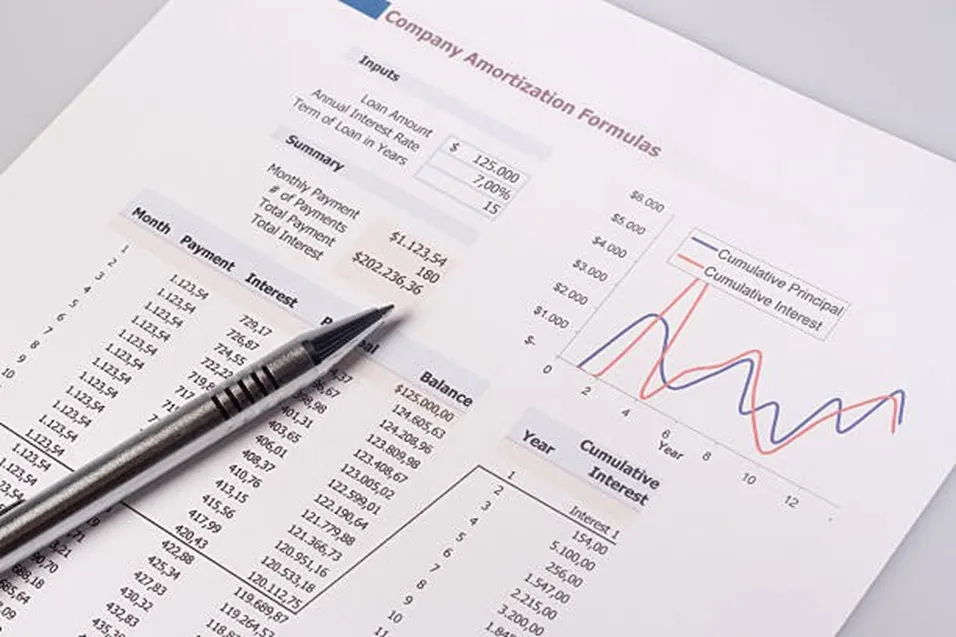
An amortization schedule outlines how each payment will gradually help you pay off the loan and will help you keep track of your progress towards being debt-free.
Factors That Affect Loan Amortization
Many factors that can affect the interest you have to pay over the life of your loan, as well as your month-to-month payment.
Loan Amount
The size of your loan will affect your repayment plans. Bigger loans will typically have larger monthly payments and more total interest paid.
Interest Rate
One of the largest factors that influence the costs of a loan is the annual interest rate. A slight variation in the interest rate could result in a substantial difference in the total amount to be paid over the term of the loan.
Loan Term
Repayment period is the time you'll have for making payments.
The shorter the loan term, the more:
● Higher monthly payments.
● Reduce the total amount of interest paid.
● The longer the loan term, the more likely it is to have:
● Lower monthly payments.
● Increased overall interest expenses.
The length of a repayment period will be determined by your financial circumstances and your long-term plans.
Payment Frequency
Some lenders will provide you with a monthly, bi-weekly, or weekly payment. Payments could be made more often to bring the debt down more quickly, and possibly save on interest costs, depending upon the terms of the loan.
Example of Loan Amortization
Suppose you borrow $250,000 to purchase a home. Loan details:
● Loan Amount = $250,000
● Interest Rate = 6% annually
● Loan Term = 30 years
The Amortization Calculator estimates a monthly payment based on these values.
Although the payment amount generally remains the same each month, the distribution changes over time.
For example:
Early Loan Payments
● A larger portion pays interest.
● The smaller portion reduces the principal.
Later Loan Payments
● A smaller portion pays interest.
● The larger portion reduces the principal.
As a result, your outstanding loan balance gradually decreases until it reaches zero at the end of the repayment period.

The Advantages of Extra Payments can shrink your loan.
The largest benefit of comprehending an amortization schedule is that you can view how further principal repayments can impact your loan.
Extra payments of the principal can:
● Pay off the remaining loan amount quicker.
● Reduce overall interest paid over the lifetime of the loan.
● Reduce the term of the loan.
● Become debt-free that much sooner.
With monthly additional repayments, irrespective of how small, this can still lower the total amount of interest paid over time, depending on your lender's repayment rules.
Quickly identify common loan repayment mistakes.
There are many unnecessary errors that many borrowers make in unintentional ways, which raise their expenses.
Some of the most common are:
● Taking out a loan that is larger than required.
● The selection of a longer loan term without taking into account the entire interest amount.
● Failure to make loan payments.
● Forgetting to make additional principal payments.
● Making monthly payment comparisons rather than cost comparisons.
● Not checking the entire amortization schedule before taking out a loan.
● Borrowers can prevent these pitfalls and save money and manage their debt better.
● Guidance for taking better care of the loan.How to manage the loan wisely.
Frequently Asked Questions
An amortization schedule is what?
An amortization schedule is a repayment table that breaks down each loan payment into both the principal and the interest paid, and keeps track of the amount of the loan remaining throughout the repayment period.
Can I save money on my loan by paying extra?
Yes. If you're able to make more principal payments, this will pay off the loan more quickly, and in many cases may lead to a shorter repayment period and lower interest costs.
So can an Amortization Calculator be used just for mortgages?
It can also be used for installment loans like personal loans, car loans, student loans, and business loans, as well as many other types of installment loans.
What is the reason that the interest is higher with early payments?
The interest is applied to the remaining amount of the loan. Early payments typically contain a higher interest amount since it is highest at the start of the loan.
Are the calculator answers certain?
The calculator offers estimates with the information you give. Actual payments for a loan may be different depending on lender terms, fees, taxes, insurance, etc, and other applicable charges.
Final Thoughts
It's important to know how your loan is to be paid off when making financial decisions. An amortization schedule will let you know how much of the payment is going towards the principal and how much is being paid for interest, instead of just looking at the monthly payment. With this information, you'll be able to make better comparisons when choosing loans, calculate the real interest expense, and find ways to lower the cost of the loan by making extra principal payments.
An Amortization Calculator makes this process easy by giving a quick and accurate estimation of repayment without having to perform complex financial calculations. Whether you are considering a home loan, a car loan, or a personal loan, it helps you know what you are going to be paying back prior to you signing the loan application.