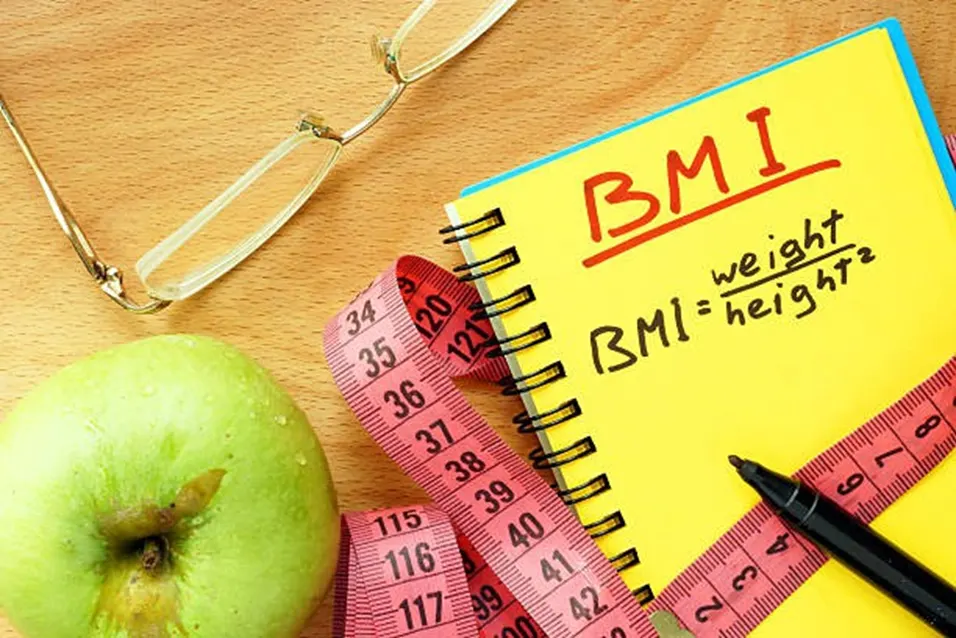
Understanding Body Mass Index and Why It Matters
Having a healthy weight is essential for good health and wellness. Knowing a person's weight status can help make health decisions for weight loss, weight gain, fitness, or simply checking in on health. The Body Mass Index (BMI) is one of the simplest and most commonly used ways of evaluating body weight. BMI is a number that's based on your height and weight. BMI is convenient and widely used by health care providers worldwide to determine if an adult is underweight, healthy weight, overweight, or obese.
BMI is not a direct measurement of body fat, but can be used as a guide to assess potential health risks based on body weight.
What is Body Mass Index (BMI)?
BMI is a simple, number-based measure of a person's weight relative to their height. It's very common in healthcare, fitness, and public health circles to calculate if an adult's body weight is in a healthy range. BMI is used as a classification of body weight, which falls into the following categories:
● Underweight
● Normal weight
● Overweight
● Obesity
While BMI is not a direct measure of body fat percentage, it is one of the most convenient screening methods to calculate and requires only two measurements.

Why do we use a BMI Calculator?
BMI Calculator is an online health application that automatically calculates your BMI based on height and weight.
You can enter the calculation without working out the answer by yourself:
● Height
● Weight
The calculator gives immediate results of:
● Your BMI value
● Your WHO weight category
● A basic interpretation of your result
This allows BMI calculation to be fast, easy, and available to anyone who wants to monitor their health.
BMI Formula
The standard BMI formula used worldwide is:
BMI = Weight (kg) ÷ Height² (m²)
Where:
● Weight = Body weight in kilograms
● Height = Height in meters
● BMI = Body Mass Index
Working of the BMI calculator
BMI Calculator is based on a basic mathematical formula that compares your body weight to your body height.
Only two pieces of information are needed for the calculator.
● Input
● Purpose
● Height
● Measures your body size.
● Weight
● Measures your present body weight.
Once you enter these values into the calculator, it will perform the BMI calculation and immediately tell you your Body Mass Index. It then looks at the BMI range for a person of your weight and compares this with the accepted ranges for BMI internationally, to assign you to a weight category.
Why BMI Is Widely Used
Although there are some drawbacks, BMI is one of the most widely used health screening methods, due to the advantages it has to offer.
BMI is used by healthcare professionals because it is:
● Simple to calculate.
● Quick to interpret.
● Inexpensive.
● A good choice for large population studies.
● Useful in determining potential weight-related health issues.
These are all the reasons why BMI is still used in many hospitals, clinics, fitness centers, and health organizations as a preliminary screening test before conducting more in-depth health assessments.

BMI Health Metric Limitations
BMI is a valuable screening tool, but it should be recognized that there are limitations. BMI only takes into account height and weight. It is not a direct measurement of body fat, muscle mass, bone density, or overall fitness. This means that two people can have the same BMI, but very different body compositions and health profiles.
BMI Does Not Measure Body Fat
BMI Calculator provides a good estimate of weight status, but not how much fat, muscle, bone, or water you have in your body.
Athletes May Have Higher BMIs
A high BMI doesn't necessarily correlate with a high percentage of body fat, though; when people have a high BMI, they tend to have a lot of muscle mass, which is healthier than having a low BMI.
Interpretation can be affected by age.
The body composition changes as a person ages. Older people can experience a decrease in muscle mass, but keep their BMI the same. BMI provides a fair approximation of the amount of fat but not its distribution. Body fat is a location that affects it. BMI doesn't suggest where fat is deposited on the body, and a higher BMI can be a sign of increased health risks.
Waist Circumference
Waist circumference measures fat around the waist, and this is a good indicator of abdominal fat level, which can relate to risk of health problems.
Body Fat Percentage
Body fat % gives a more comprehensive description of body composition than BMI alone.
Waist-to-Height Ratio
This measurement is used to see the body fat distribution compared to height.
Blood Pressure
Blood pressure is an important indicator of cardiovascular health. Maintain healthy blood sugar and cholesterol levels. These are used to evaluate metabolic and/or heart health.
Example of BMI Calculation
Suppose a person has the following measurements:
● Weight = 70 kg
● Height = 1.75 m
Square the Height
1.75 × 1.75 = 3.0625
Apply the Formula
BMI = 70 ÷ 3.0625
Calculate the Result
BMI = 22.9
A BMI of 22.9 falls within the Normal Weight category according to the World Health Organization classification. Using a BMI Calculator performs this calculation instantly without requiring any manual work.
Benefits of Using a BMI Calculator
The BMI Calculator continues to be a helpful resource as it offers readily accessible and pertinent information regarding weight status.
Quick and convenient to operate
BMI can only be calculated with the help of a person's height and weight.
Helps Monitor Weight Changes
Depending on the weight-loss or weight-gain program, progress can be monitored through regular BMI calculations.
Supports Health Awareness
If you know your BMI, you'll have a better awareness of your health and lifestyle habits.
Great for Goal Setting
People starting a fitness or nutrition regimen can take the BMI as one of several factors into account to determine reasonable health objectives.
Maps out a Starting Point
BMI is a quick screening tool to get a general idea of health before more comprehensive testing measures.
Common BMI Misunderstandings
Many people do not know the exact implications of BMI. People often have wrong ideas about what BMI can and cannot tell about their health.

Common Misconceptions
Assuming BMI is a direct measurement of body fat. Assumptions that BMI is an accurate indicator of overall health.Assumptions that one's BMI is a good indicator of health.
● If an athlete's BMI is high, he is automatically unhealthy
● Not considering other health factors when assessing wellness.
● Diagnosis instead of screening using BMI.
● Knowing these restrictions is important to ensure BMI's are used correctly.
Frequently Asked Questions
What is the normal weight for a person with a healthy BMI?
The World Health Organization states that BMI values of 18.5–24.9 are typically regarded as being in a healthy range for most adults.
Does BMI work for all?
BMI is appropriate for the majority of adults, but may not be as applicable to members of particularly high muscle groups, older adults, pregnant women, and athletes.
Is there a BMI range that is considered healthy, and is it possible to fall outside of that range and still be healthy?
Yes. BMI does not assess blood pressure, cholesterol, fitness, body fat distribution, or other factors that are important for health.
Were BMI categories for children appropriate?
Why: BMI percentiles are used for children and youth because their bodies are still developing and growing.
When should I use BMI to calculate my weight?
Most individuals monitor their BMI periodically, or at weight fluctuations.
Final Thoughts
BMI is a screening measure based on height and weight, not a direct measure of body fat or a diagnosis. Standard BMI ranges do not determine an individual's health; consider other health information and consult a clinician when interpreting the result.