Introduction
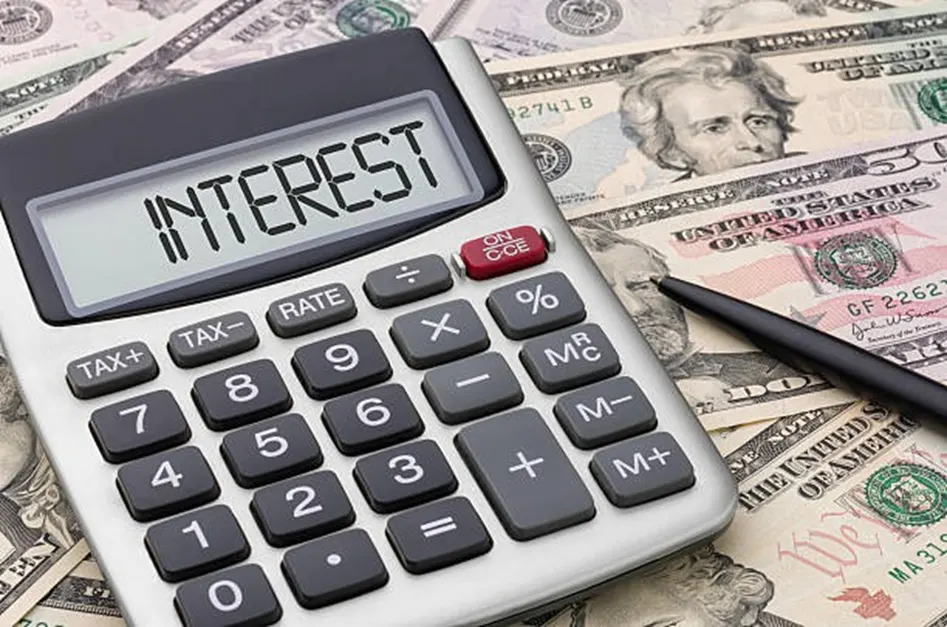
An Interest Rate Calculator is an important financial tool which assists business and also people in understanding the cost of borrowing cash or the returns they could get on their cash savings and investments. Users can simply input some data and obtain the interest rate pertaining to a loan, mortgage, savings account or investment. Interest rates have a significant impact on just about all financial transactions.
They calculate the amount of money that borrowers will pay over the life of a loan, and the amount of interest that investors will receive from their money. A minor change in interest rate can make a huge difference in monthly payments, total interest payable, and in the overall financial results.
Why Interest Rates Matter
Interest rates are the amount of extra money that you pay if you take a loan and the amount of extra money that you gain if you save or invest. If interest rates are high, the total amount paid and the monthly payment for a borrower will be higher. A higher interest rate might result in more savings for the individual over the long term.

How Interest Rates Work
Interest rate is the percentage charged by a lender for a loan received from them or paid by a financial institution for money borrowed from them or for deposits or investments with them. It is the amount of expense incurred when a person's money is borrowed for a designated period, typically in a yearly percentage. If you take out a loan, such as a personal, mortgage or auto loan, the interest rate will dictate how much more you will pay back on top of the loan amount.
Conversely, if you invest in a savings account or any investment, the interest rate dictates how your money will appreciate over time. Interest rates can have a significant impact on the cost of borrowing and the return on investment, so it is essential to understand them when managing finances.

Factors that are determined the Interest Rate
There are a number of economic and personal factors that affect interest rates. In conjunction with understanding these factors, you can better interpret the results of an interest rate calculator and why certain financial products offer different interest rates.
Credit score
One of the most important factors for loans is the borrower's credit score. Borrowers with high credit ratings are less likely to default on their loans, making them less of a risk for lenders and thus receiving lower rates.
The principal and term of the loan
Other factors such as loan term and the amount borrowed may also influence the interest rate. Longer terms of loans can lead to higher total interest paid, and shorter terms can lead to more per capita interest paid, but lower overall interest paid.
Market conditions
The economy also has an effect on interest rates. The rates that financial institutions and lenders pay can be influenced by a variety of factors, such as central bank policies, inflation, and market demand for credit.

The advantages of knowing the rates of interest
Knowing the interest rate can help you in various ways to make better financial choices: You may discover loans that offer you less expensive loan interest rates. You can select
better-returning saving accounts or investments. Make payments and plan budgeting for future financial goals more accurately. Understanding the rates will allow you to negotiate terms with the lenders.
Frequently Asked Questions
An interest rate calculator estimates the value of interest.
It calculates the estimated interest rate for a loan, savings account or investment using the information given.
Is it available for loans and savings?
Yes. An interest rate calculator can help you to estimate the cost of borrowing or the savings and investment returns.
Why is it that APY is typically higher than APR?
APY accounts for compounding, meaning that interest is accrued on the interest that has been earned.
Does the answer you found in the calculator make sense?
Usually the outcome is an estimate. Actual rates are subject to variation based on lender policies, fees, compounding methods and market conditions.
Conclusion
An Interest Rate Calculator is a fundamental financial instrument to comprehend the expense of loans and the development of investments. Its automatic calculations of interest rates, financial values and more make it easy to compare borrowing options, estimate future returns and create better financial planning. From buying a home to buying a vehicle, saving money, or considering investment, knowing the interest rates can help you make better financial choices. An interest rate calculator can be used to easily, quickly, and accurately manage your finances, whether personal or business-related.