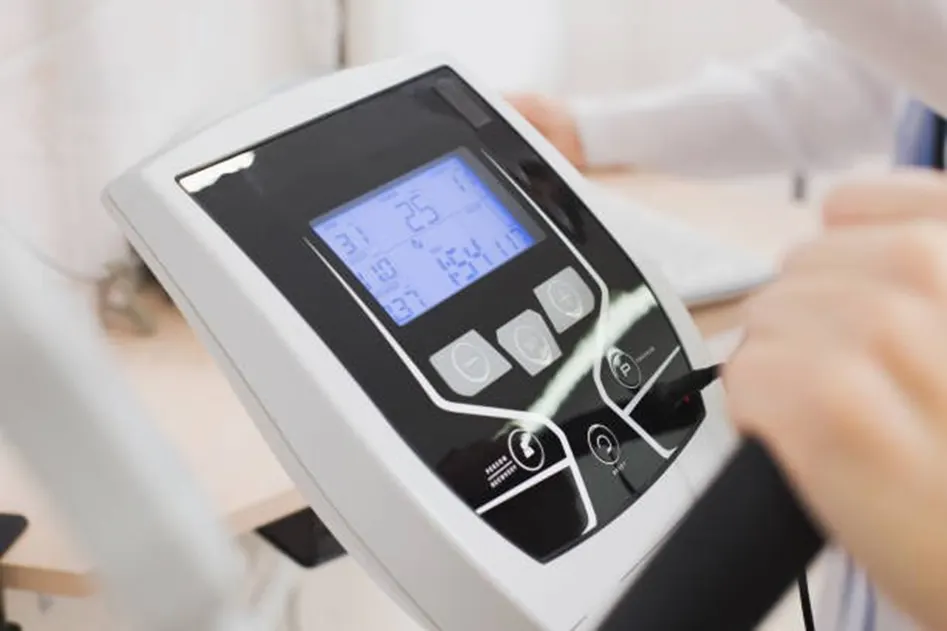
Whether you are looking to lose weight, build muscles, keep your weight to a healthy level, or improve your overall health, the number of calories per day is important to know. Your Basal Metabolic Rate (BMR) is one of the most crucial measurements to estimate your calorie needs. Basal Metabolic Rate is the amount of calories burned at complete rest. Your body needs energy even if you're sleeping or lying down, for things like breathing, circulating blood, heating and cooling the body, repairing cells, and keeping organs working.
BMR is the lowest level of energy your body requires to sustain life and therefore is the basis for determining the daily calorie needs. Knowing your BMR helps you make better food, exercise, and fitness choices.
What is a BMR Calculator?
A BMR Calculator is an online program that calculates the Basal Metabolic Rate based on the following factors:
● Age
● Gender
● Height
● Weight
The calculator uses a scientific formula to calculate the approximate amount of calories you burn at rest. This estimate will inform you of your basic calorie requirements, without considering exercise.
Importance of BMR
● Set a realistic calorie goal.
● To lose weight, create a calorie deficit.
● Increase the calorie count to gain weight or build muscle.
● Better keep your weight at the desired level.
● Create an individual nutrition and fitness plan.
● The importance of BMR.
It's crucial to know your BMR as it will serve as a reference for how many calories you're burning every day. It's hard to design a diet or fitness plan without knowing your basal metabolic rate.
Your BMR can assist you in:
To lose weight, you need to burn more calories than you are consuming. Keep the same level of calories - eat about the same amount each day as your body uses. Gain weight or muscle: Eat more calories than you burn in a day. Eat smarter: Adjust your calorie level to suit your levels of activity and fitness.
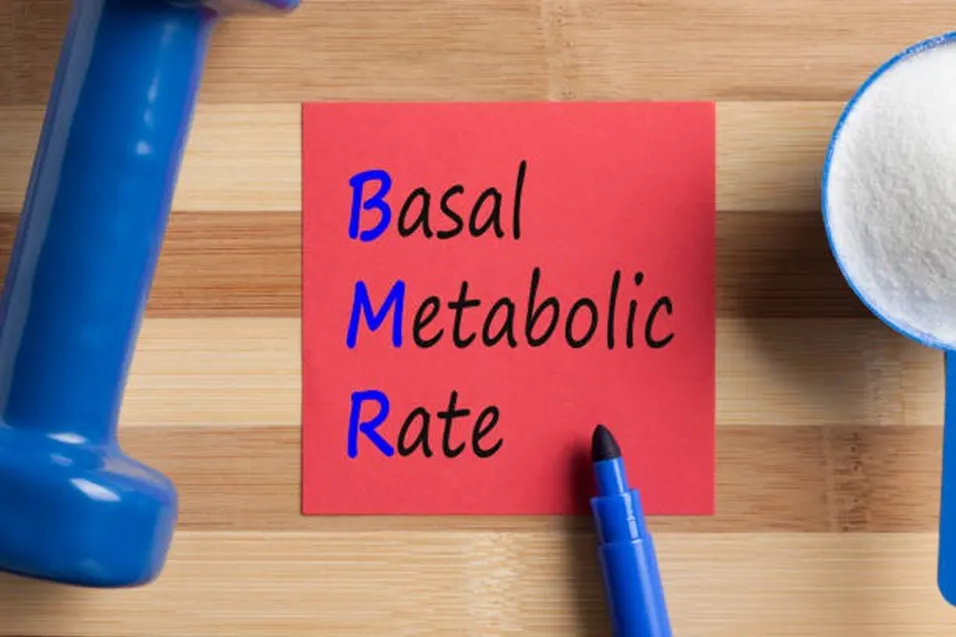
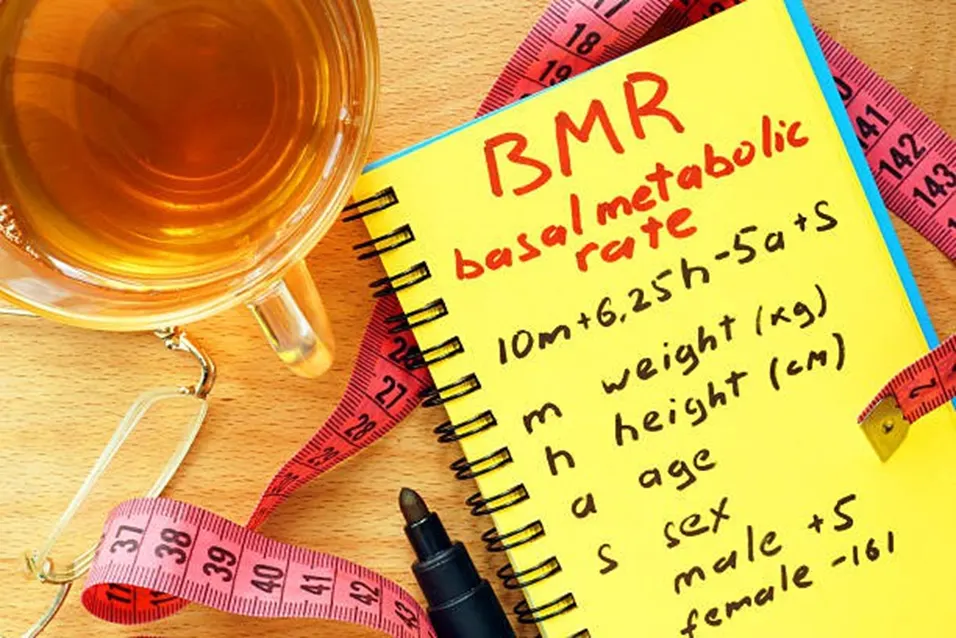
Formula of Mifflin-St Jeor
Mifflin-St Jeor Equation for Men
BMR = (10 × weight in kg) + (6.25 × height in cm) − (5 × age in years) + 5
Mifflin-St Jeor Equation for Women
BMR = (10 × weight in kg) + (6.25 × height in cm) − (5 × age in years) − 161
These equations estimate the number of calories your body burns per day while at rest.
Example BMR Calculation
Suppose a man has the following measurements:
| Factor | Value |
|---|---|
| Age | 30 years |
| Weight | 75 kg |
| Height | 180 cm |
Calculation
BMR = (10 × 75) + (6.25 × 180) − (5 × 30) + 5
BMR = 750 + 1125 − 150 + 5
BMR = 1730 calories/day
In a day, 1730 calories burned by an average person
The difference between BMR and Total Daily Energy Expenditure (TDEE)
Your calorie needs are not just determined by your BMR. To determine the total number of calories needed on a daily basis, you must determine your Total Daily Energy Expenditure (TDEE).
TDEE includes:
BMR: Calories burned while at rest.
Physical activity: Calories expended from physical activity and movement throughout the day. Thermic effect of food: Calories burned while digesting and processing food.
Measurement: What It Represents BMR
Calories used while at rest.
TDEE
Average calories expended in a typical day (with activity).
Create a Calories Range Goal by Using BMR
Once you understand how many calories you burn in a day (TDEE), you can make the necessary adjustments to support your fitness objective.
For Weight Loss
Weight loss is typically achieved by eating less than the number of calories you burn, which is called your total daily energy expenditure (TDEE). Moderate calorie deficits can be sustained more easily than extreme calorie deficits. This is since a calorie deficit of 300-500 calories/day can help with slow weight loss. A bigger negative energy balance can result in quicker weight loss, but can be more difficult to sustain and may be associated with decreased energy.
For Weight Maintenance
If you are looking to keep the weight off, then you should be eating around the same amount of calories as your TDEE. With your TDEE at 2682 calories/day, eating approximately this amount will keep you at a healthy weight.
For Weight Gain or Muscle Building
Getting bigger (or bulking) requires an excess of calories over TDEE. This is a recommended level of excess for slow weight gain of 200-500 calories/day. Muscle growth can be stimulated by a calorie surplus and strength training. This is because BMR is not sufficient to assess a person's caloric needs. BMR is a good starting point, but should not be used as the sole indicator for your daily calorie needs.
BMR only represents calories used during resting metabolic rate and doesn't reflect calories expended during activity, exercise, or food digestion. For instance, a person's BMR can be identical, but their calorie intake needs can vary widely, depending on how active they are. TDEE is a more comprehensive estimate of your daily energy needs, hence its name.
Useful Tips For Using BMR Effectively
Your BMR should be used as a guideline, not the actual number of calories you will consume each day. Use an activity level to calculate your TDEE.
● Create a moderate calorie deficit for sustainable weight loss.
● Get enough protein to help maintain muscle mass.
● Make changes to calorie intake as needed for weight, activity, and goals.
● Monitor change over weeks instead of daily changes due to scale changes.
● The most frequent errors made while using BMR
Mixing up BMR with TDEE: BMR is only the calories burned while at rest, and TDEE is body mass and activity. Too few calories: If you eat significantly below your BMR, it can lower your energy level and make it more difficult to maintain weight loss. Underestimating activity level: Using the wrong activity level can result in a miscalculation of TDEE. Maximizing each time to the max: BMR and TDEE estimates vary and are not exact.
Frequently Asked Questions
What would be the normal BMR?
BMR is different for everyone, depending on their age, gender, weight, height, and body composition. No "normal" BMR will exist for all.
Is the BMR variable?
BMR may alter due to age, weight loss or gain, muscle mass fluctuations, hormonal issues, and general health.
Does exercise increase BMR?
The positive effects of exercise on BMR are indirect because they promote weight gain via the increase in lean tissue mass, which utilizes more calories for energy maintenance than fat tissue.
When do I need to retake my BMR?
Calculate BMR again when there are significant changes in fitness, body composition, or weight.
Final Thoughts
Knowing your Basal Metabolic Rate is a great starting point in developing a diet and fitness program. BMR is an indicator of the minimum amount of calories that the body requires to keep vital functions going at rest. When multiplying BMR by activity, you can work out your Total Daily Energy Expenditure (TDEE) and then make sensible goals based on the number of calories you should burn to lose weight, maintain your weight, or build muscle mass.
A BMR Calculator makes this easy by calculating the baseline number of calories you require in your body. The outcome isn't an exact measurement, but it does provide a practical baseline to support individual nutrition and fitness planning.